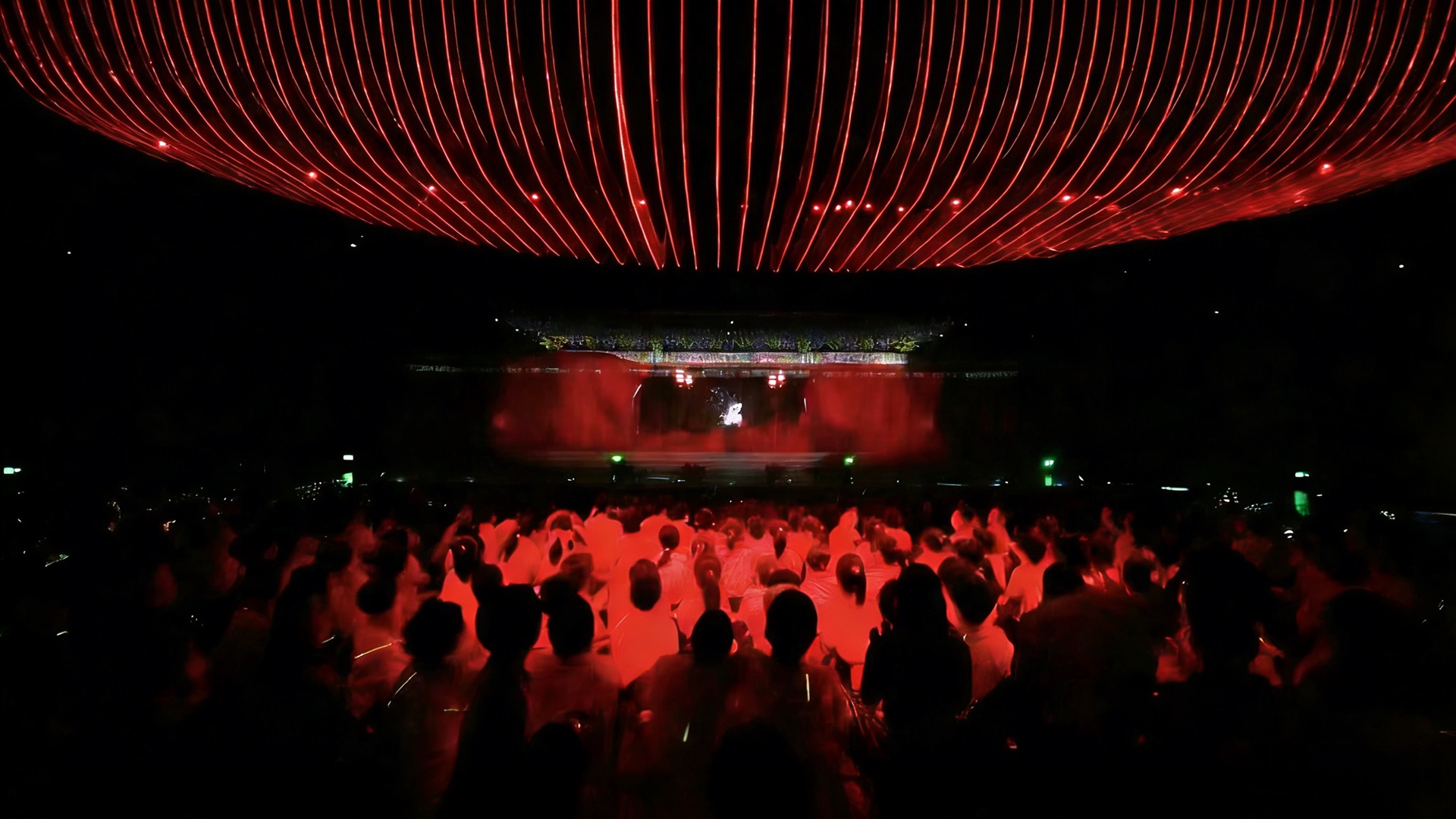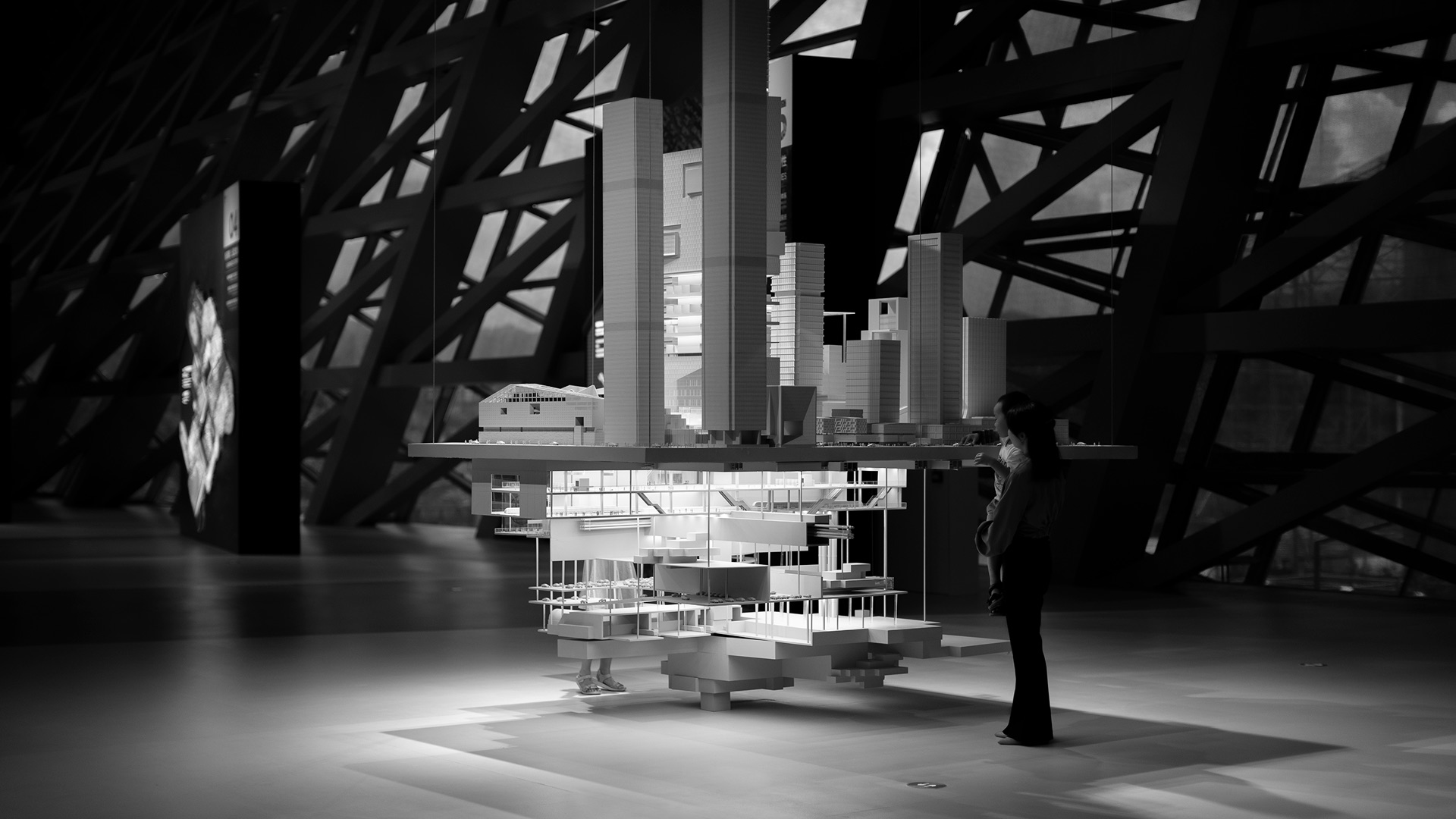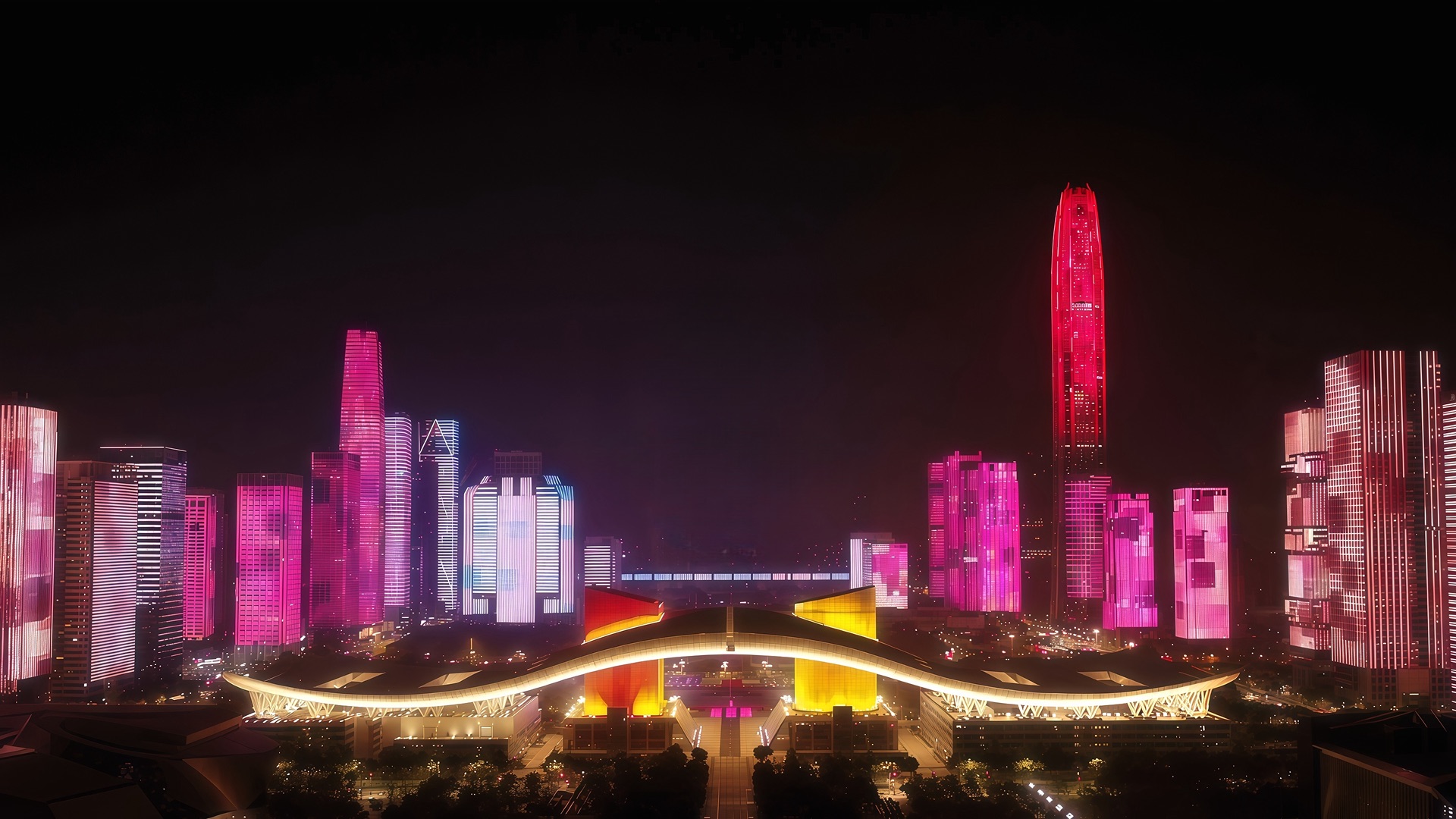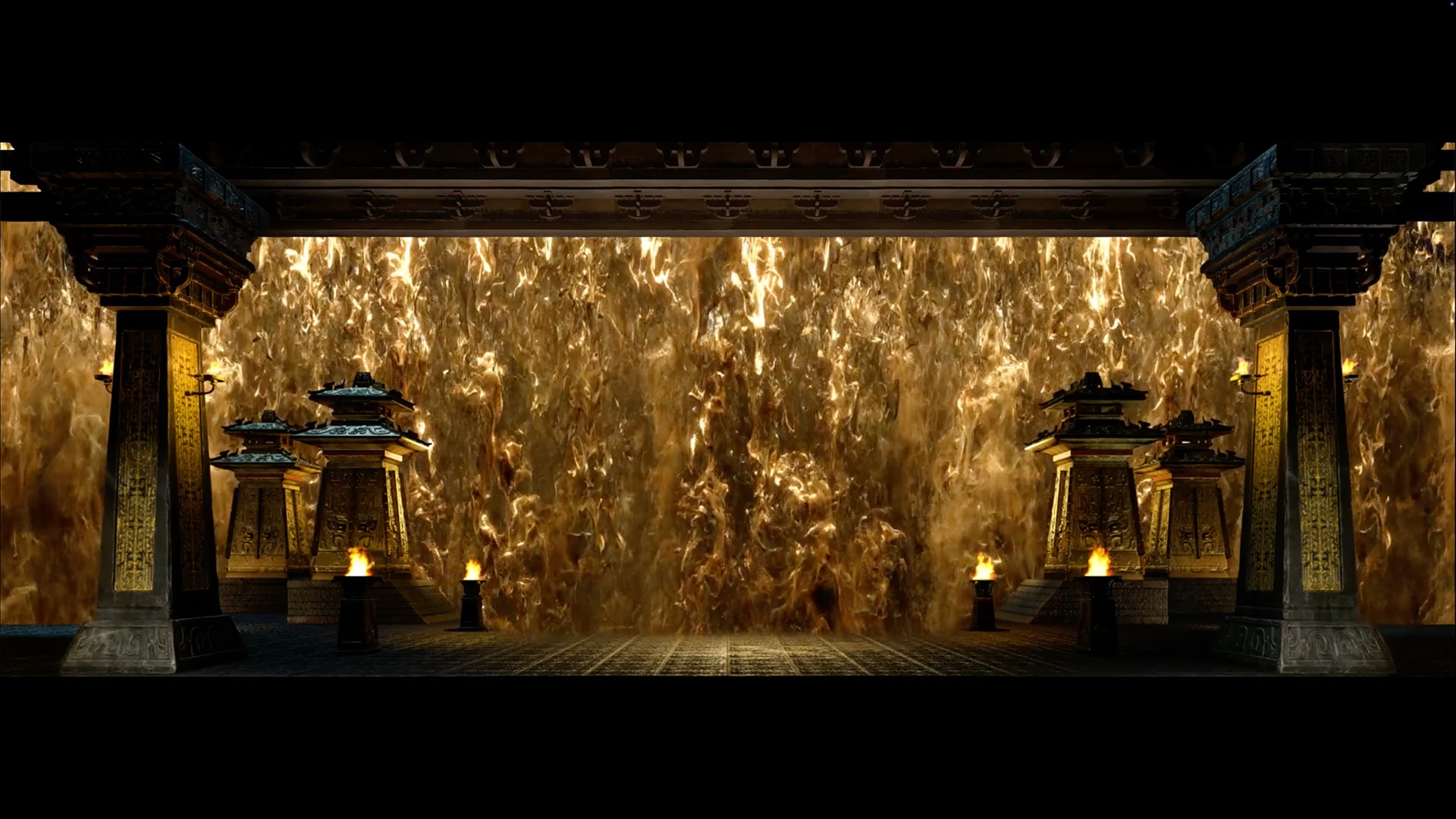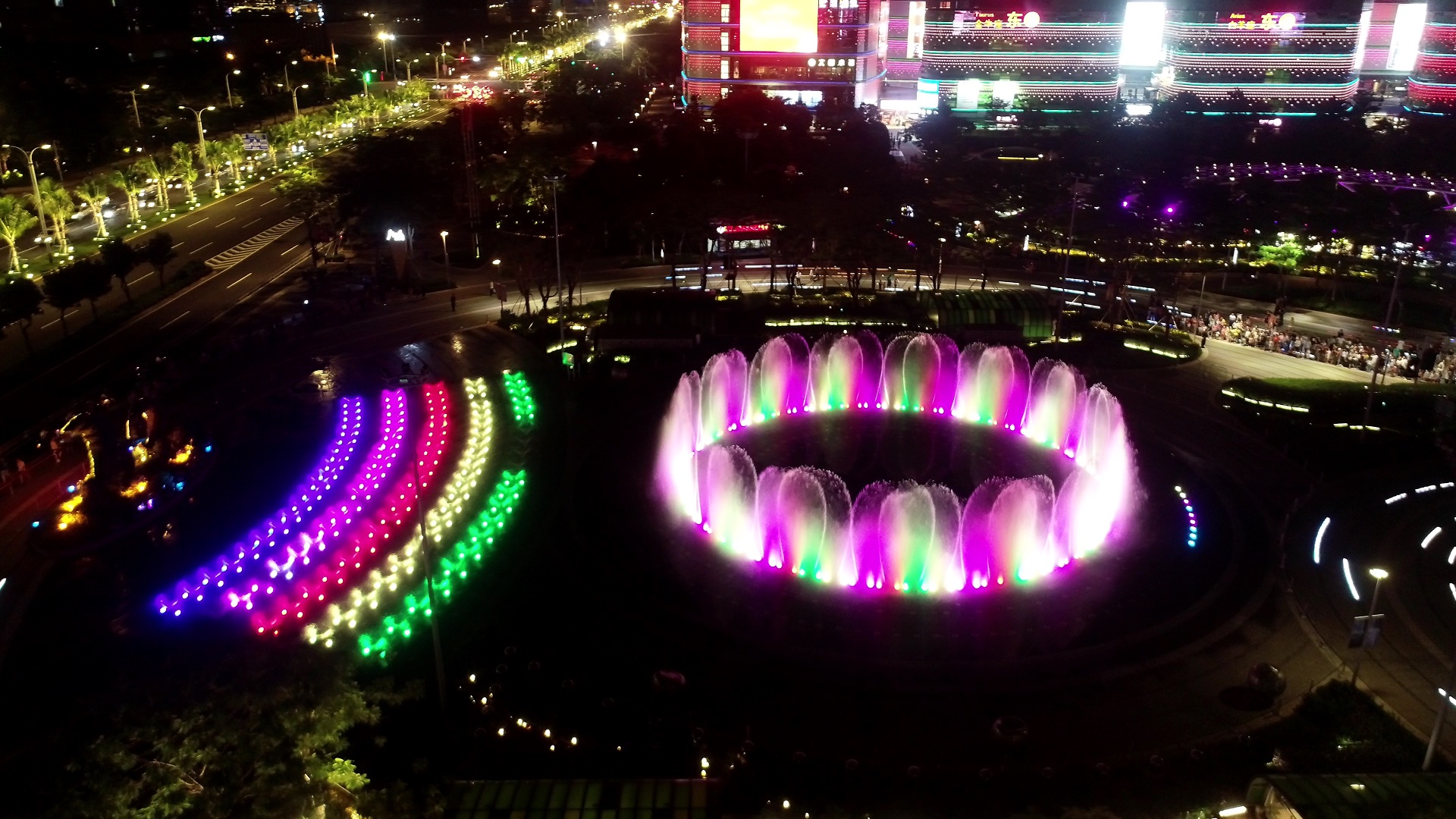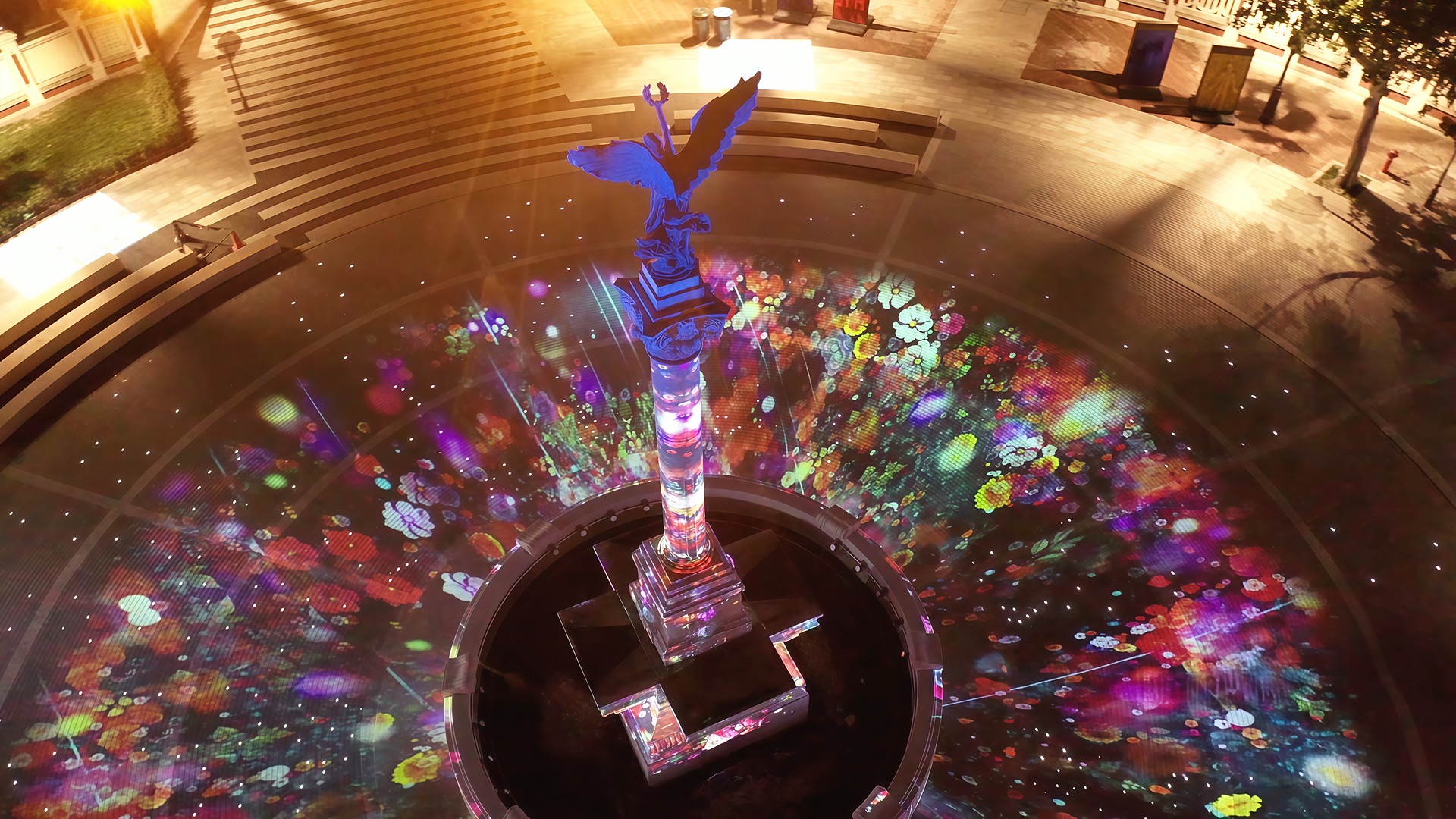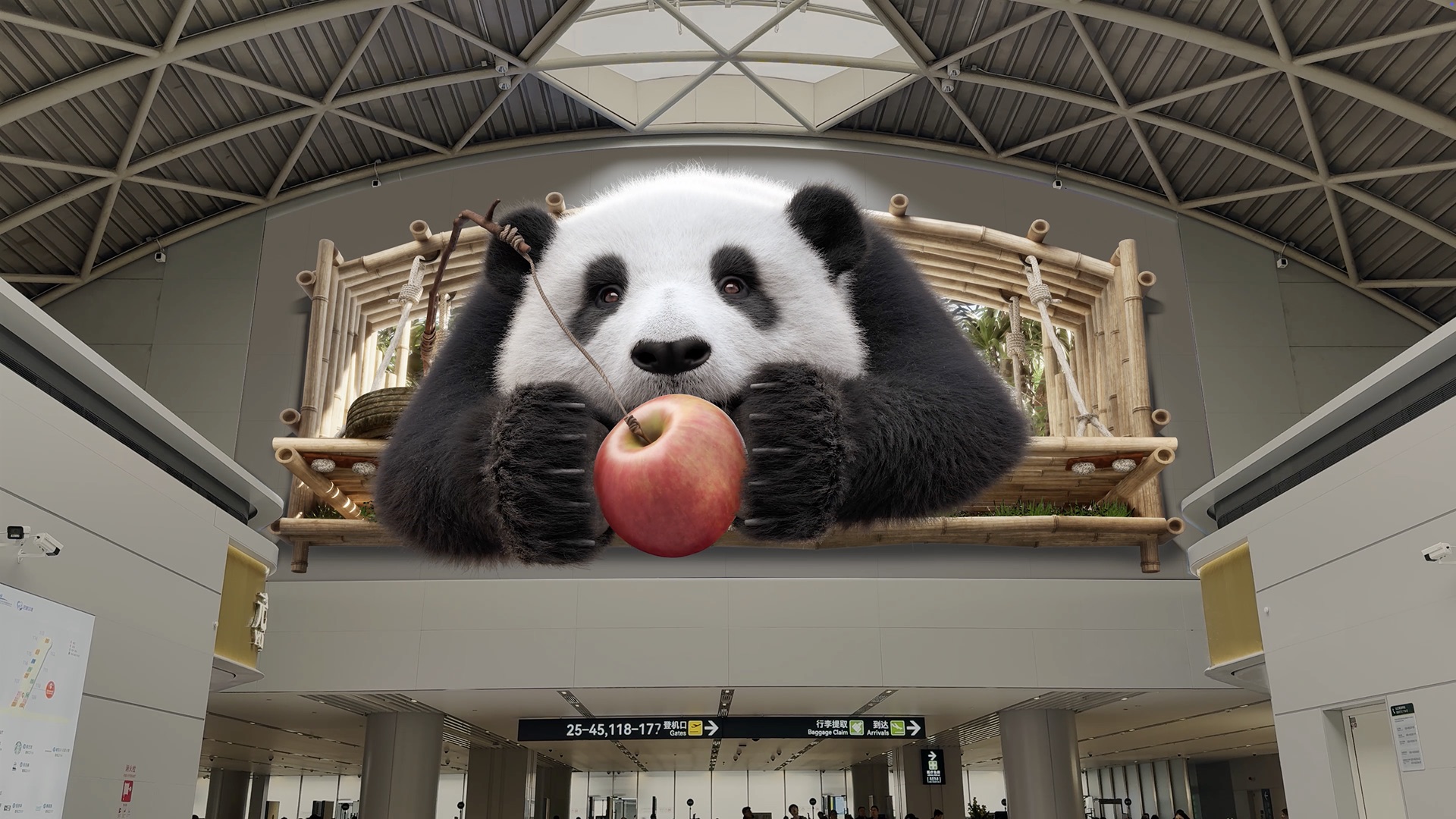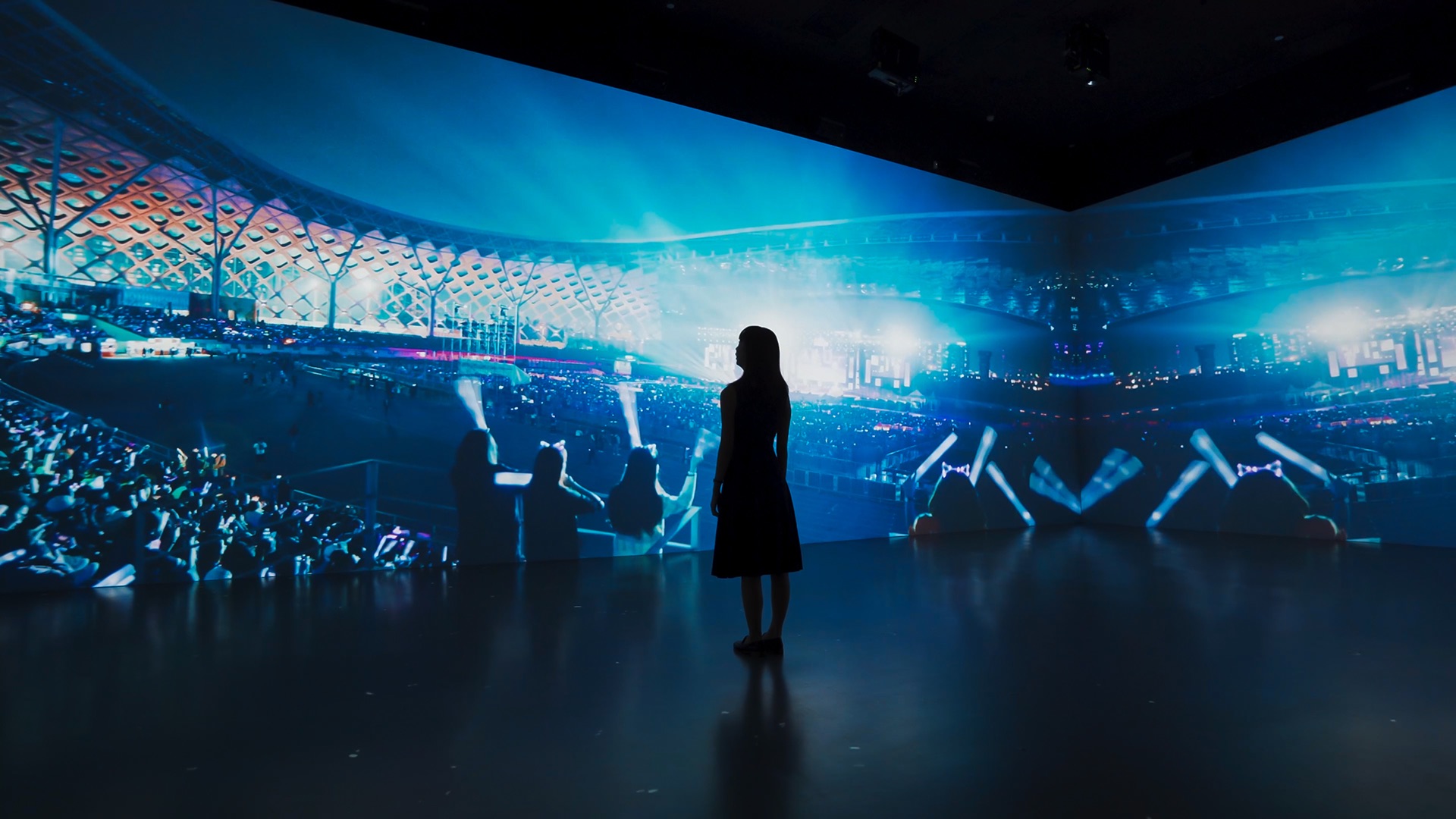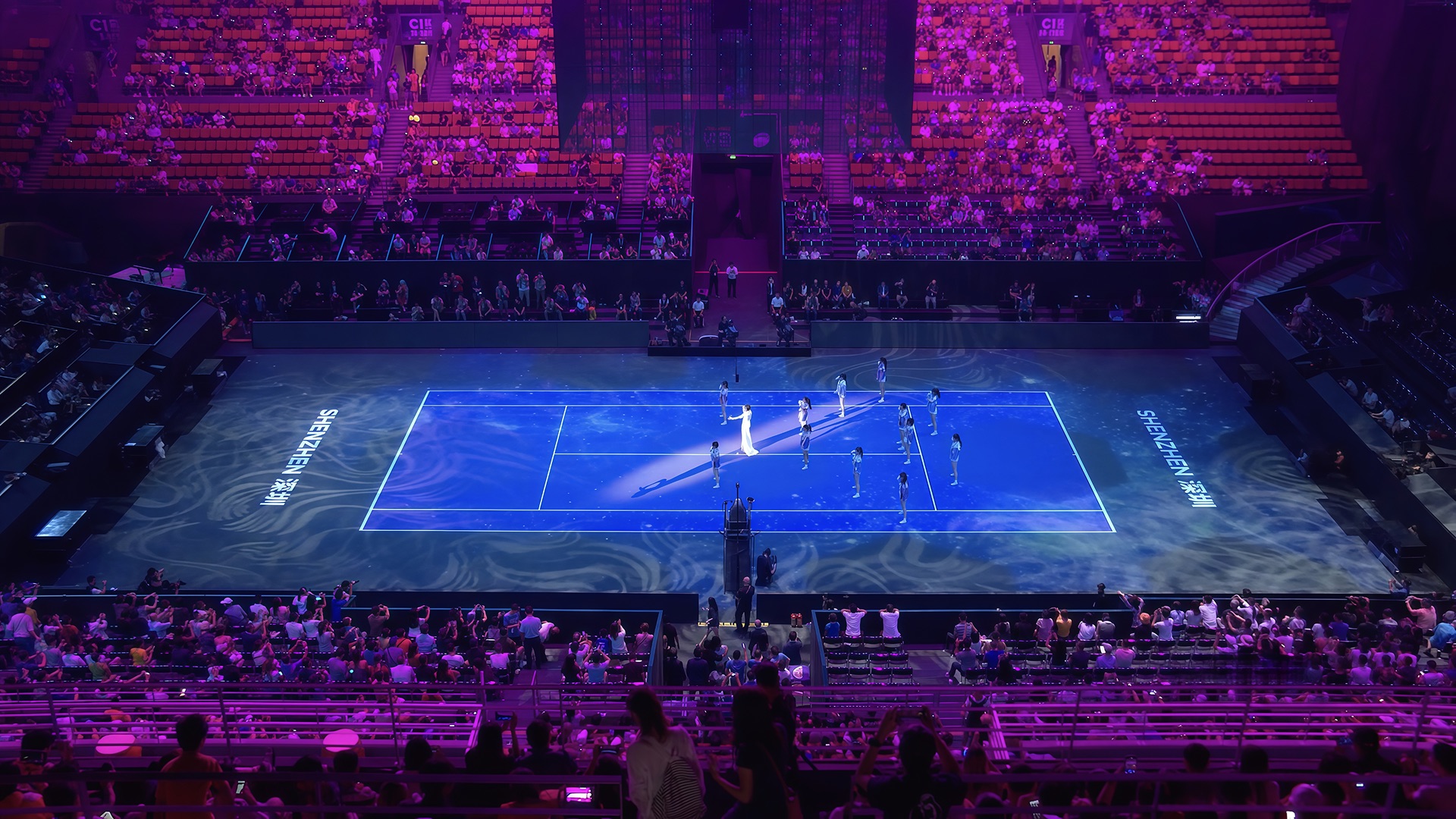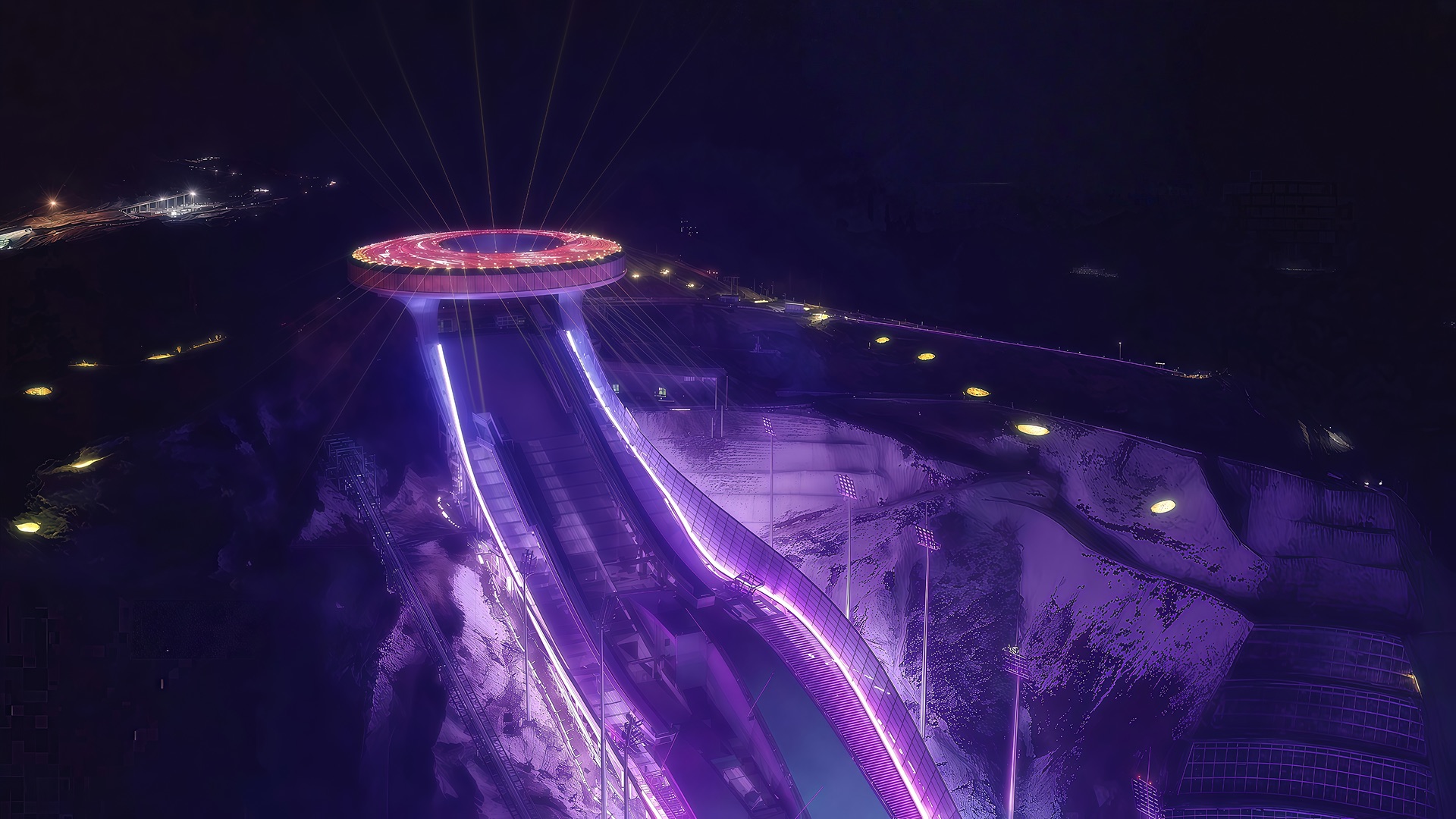
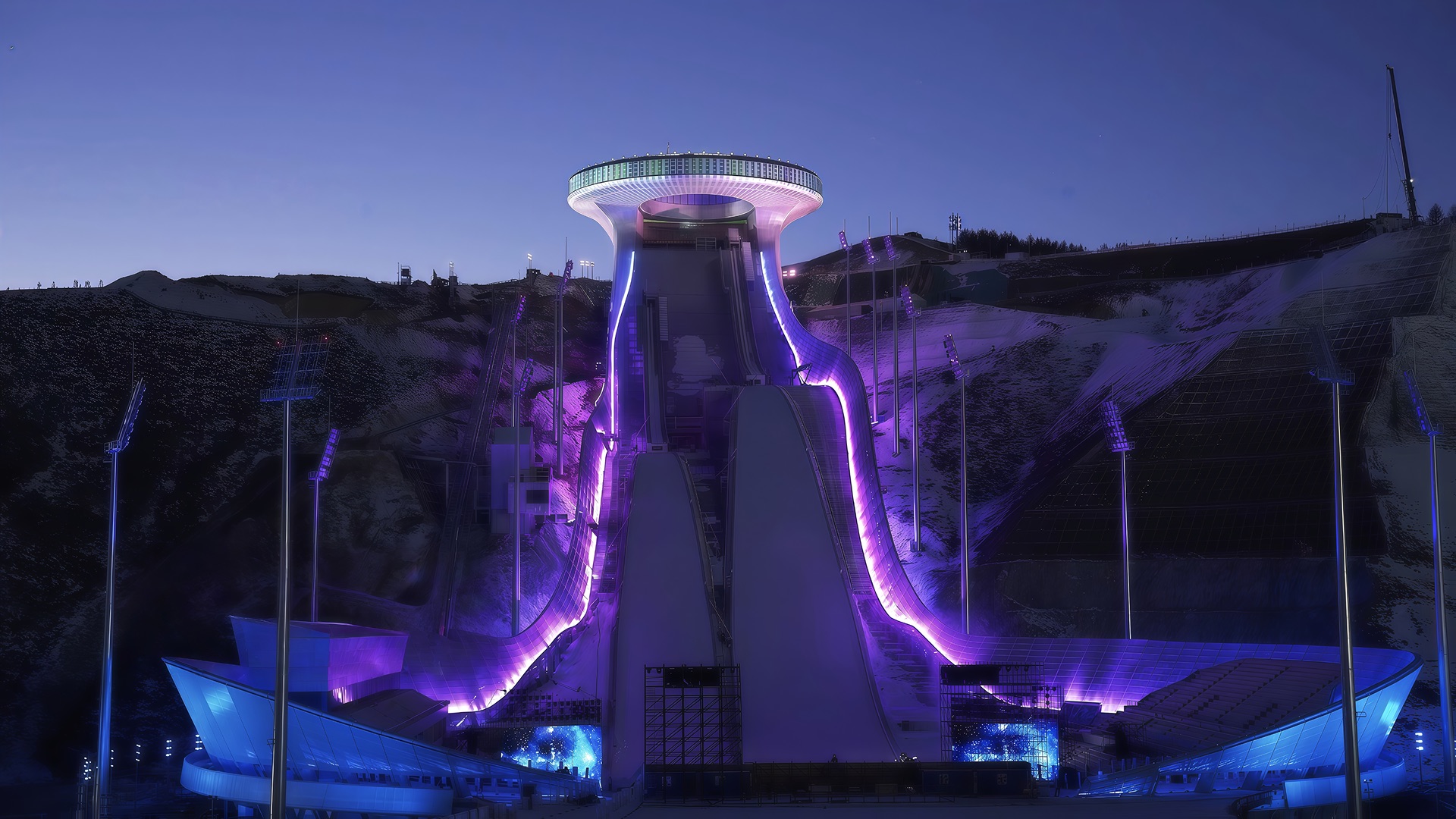
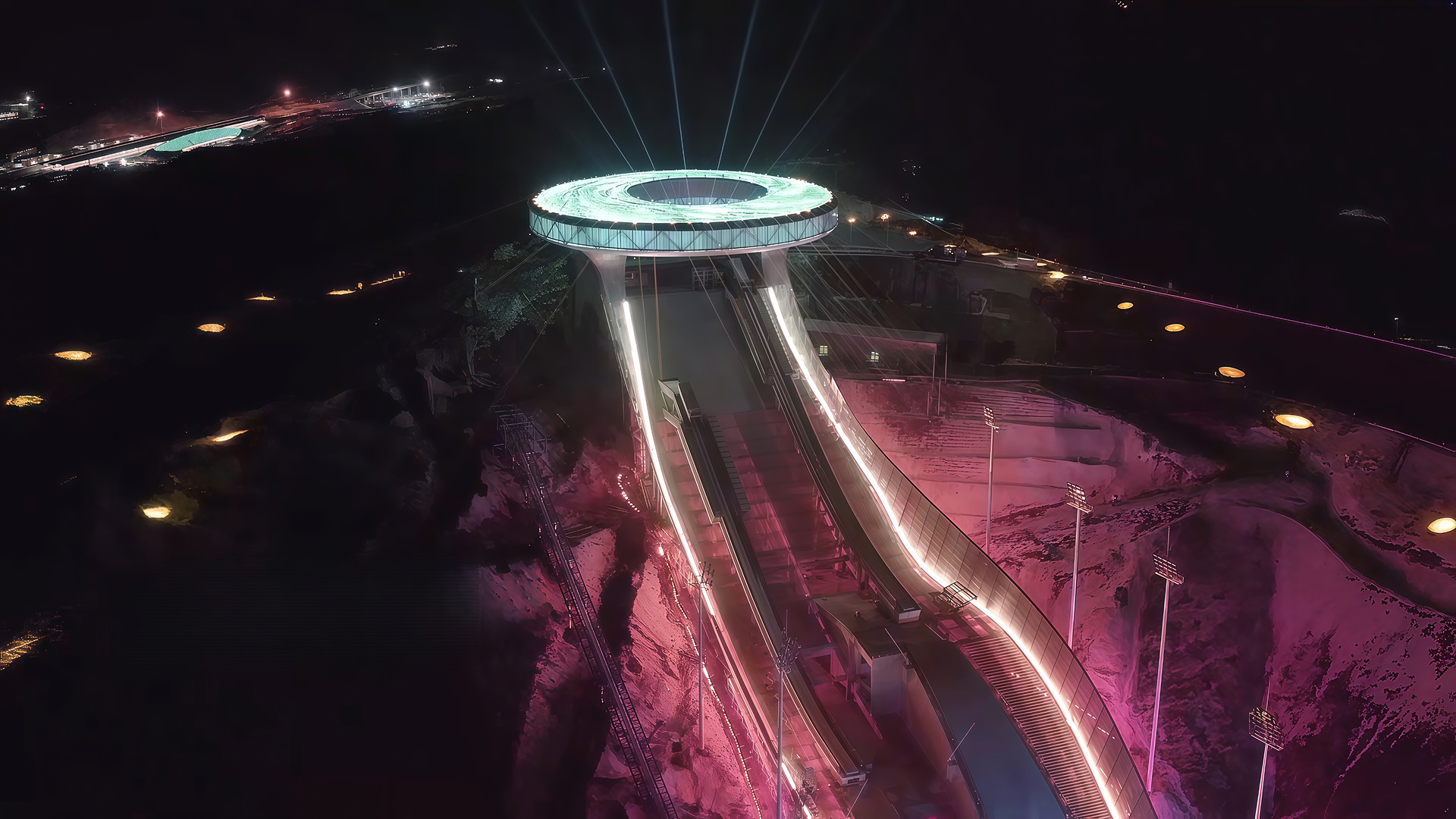
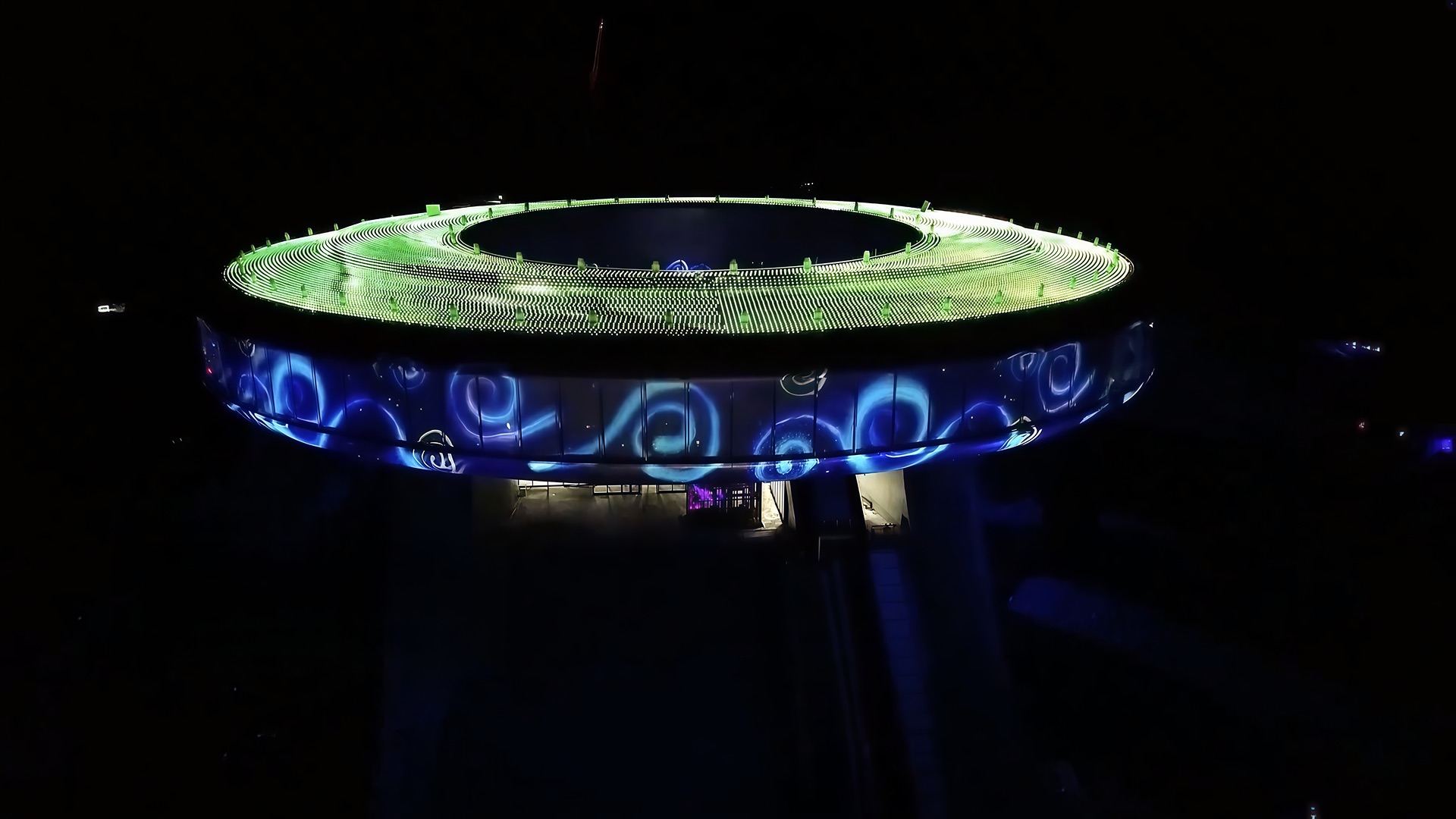
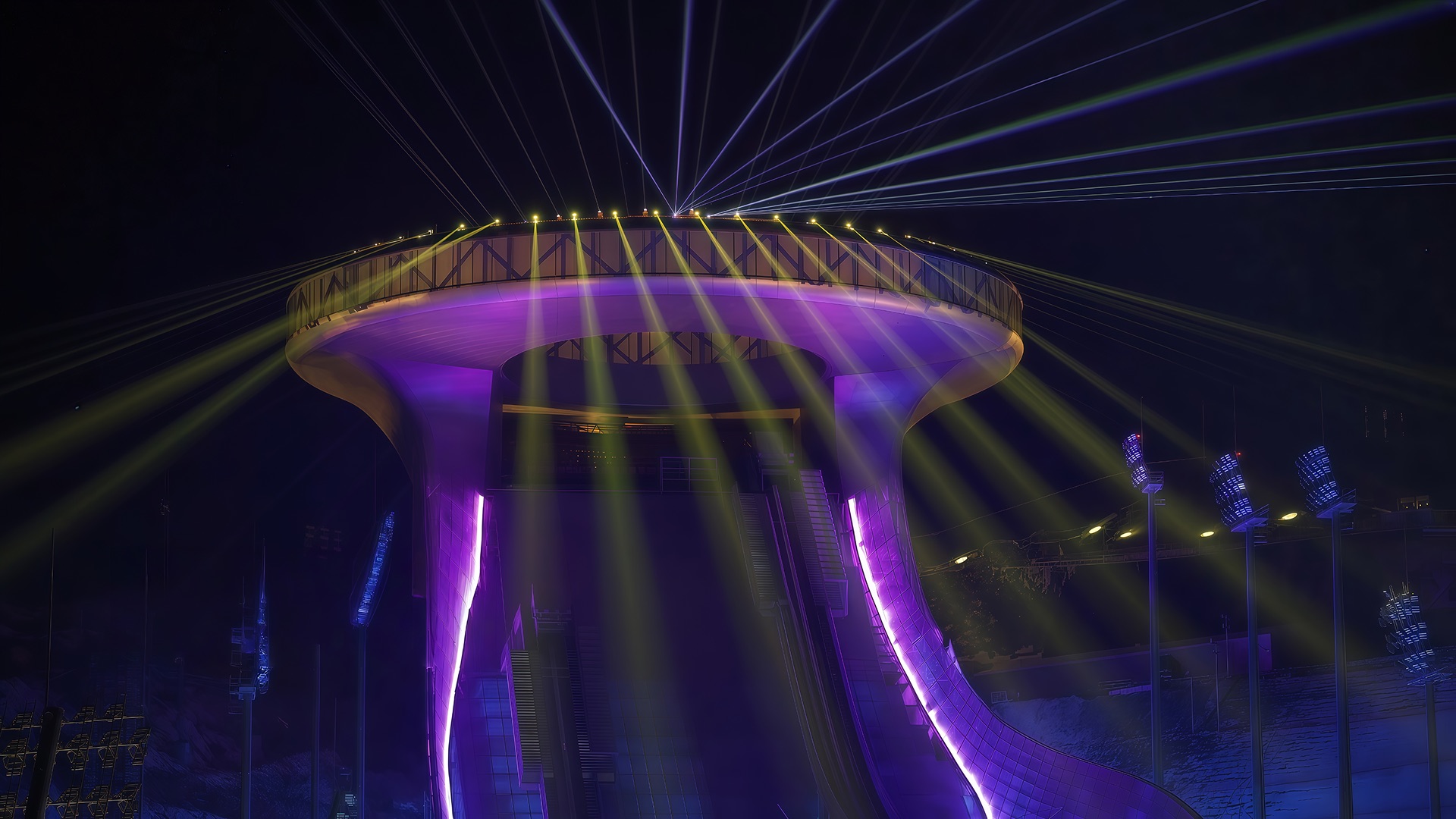
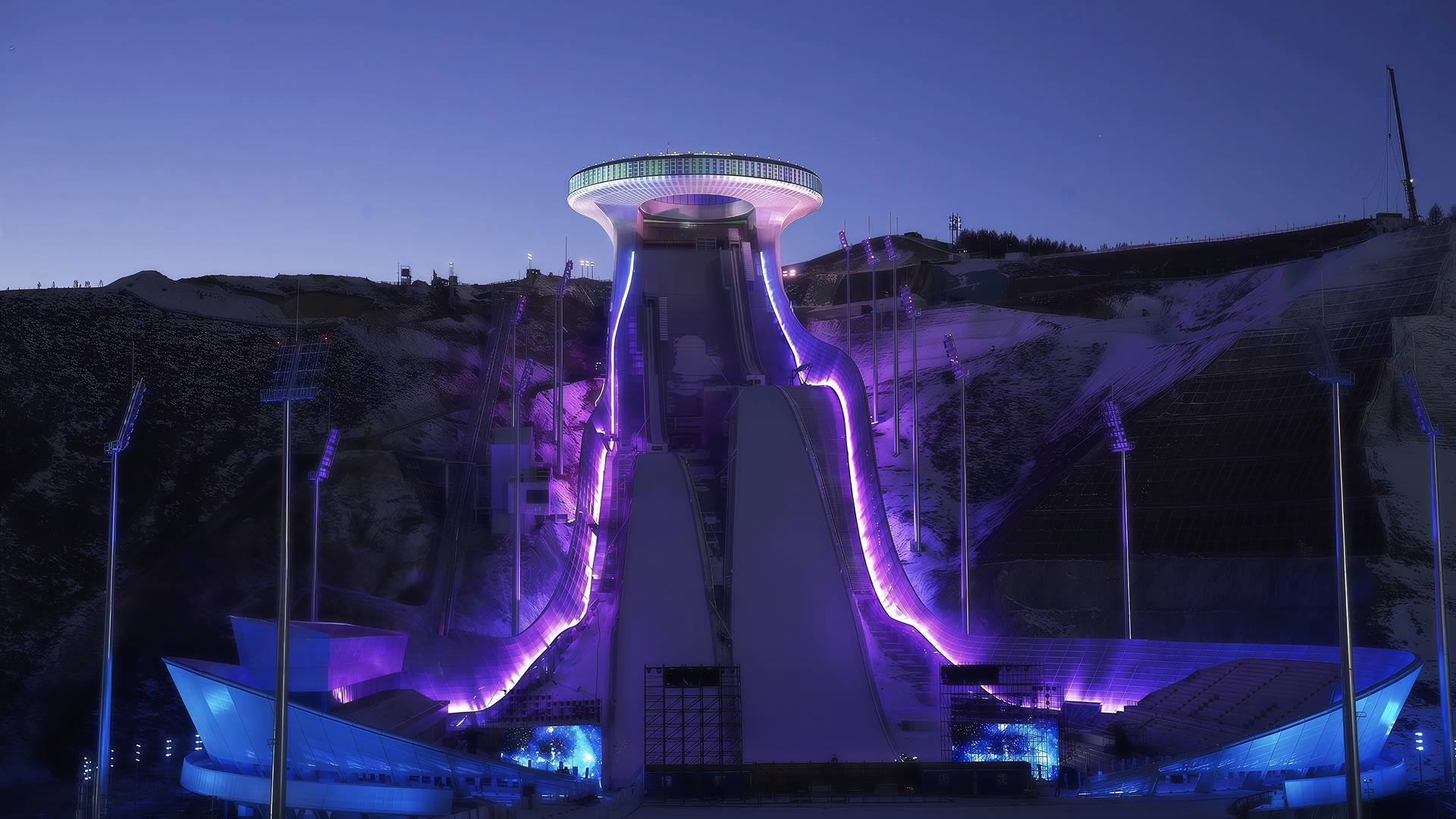
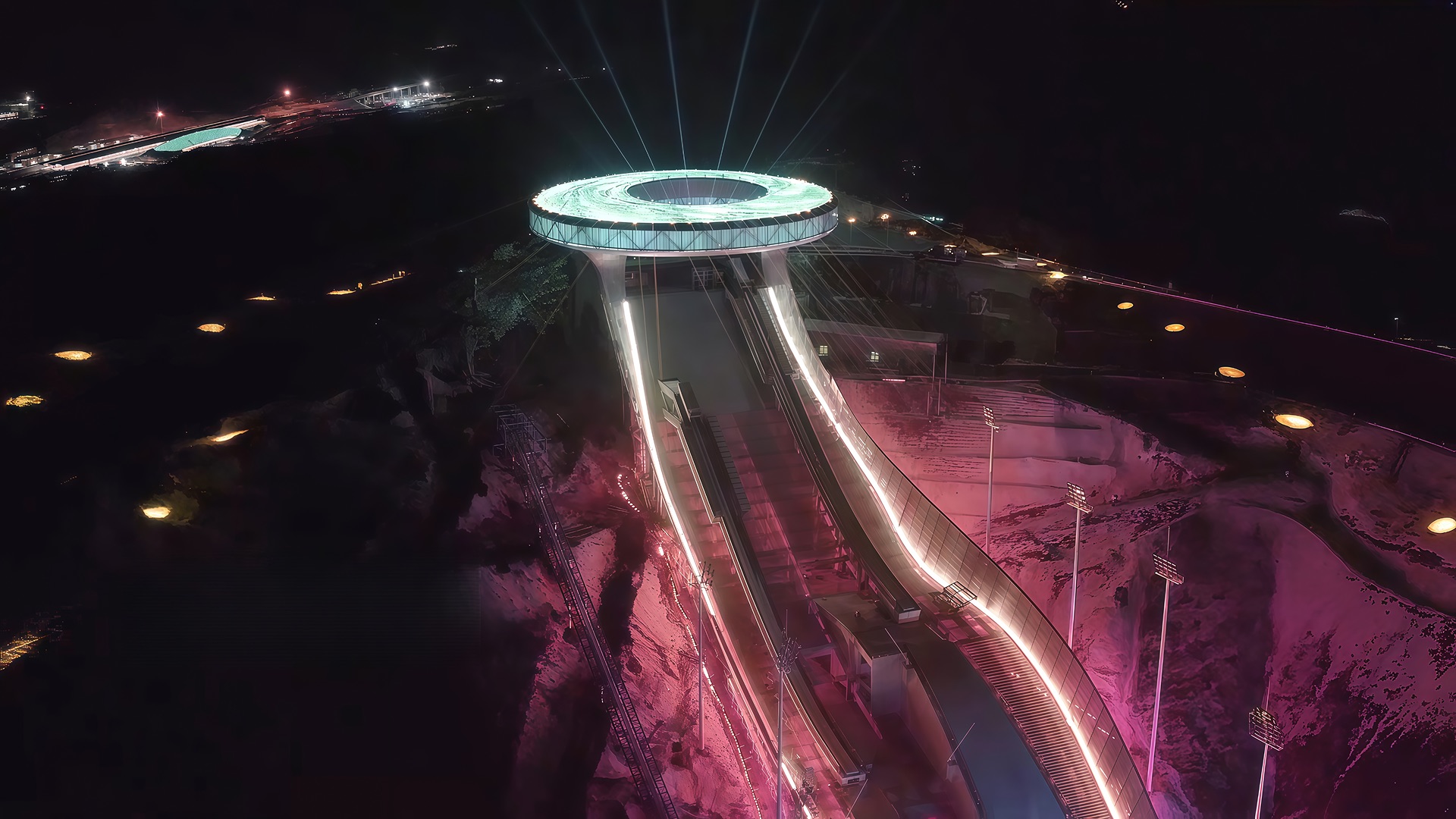
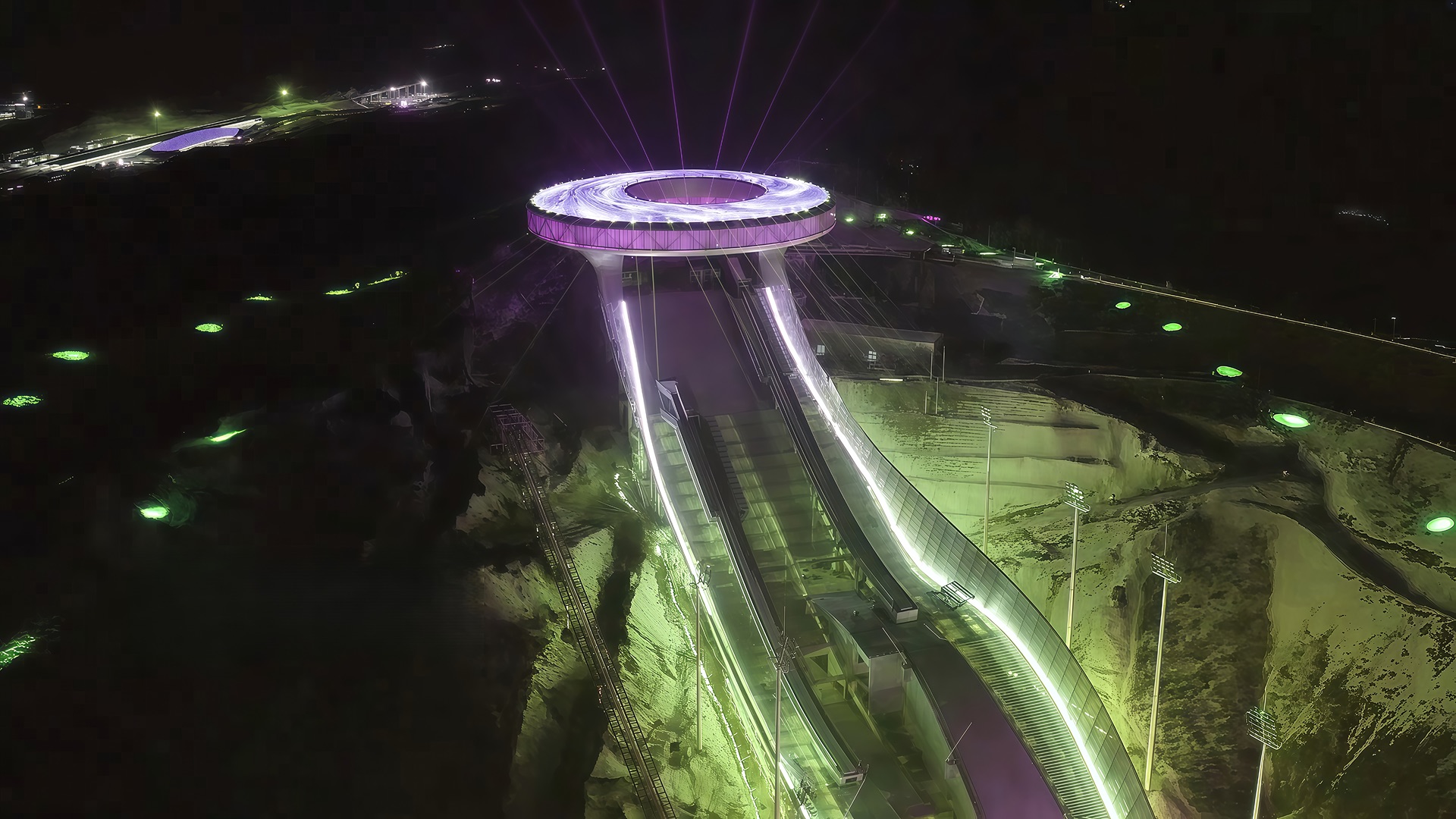
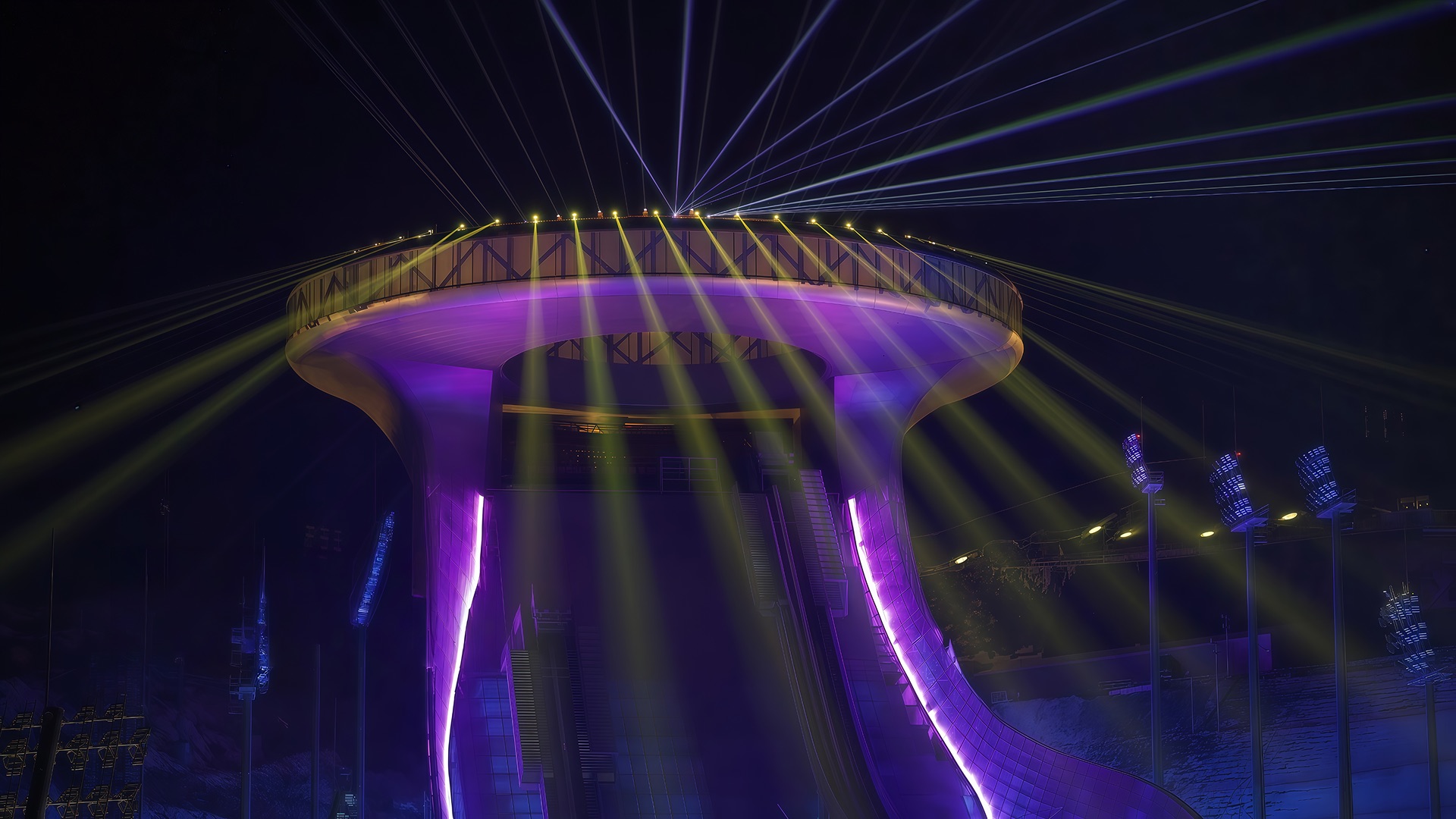
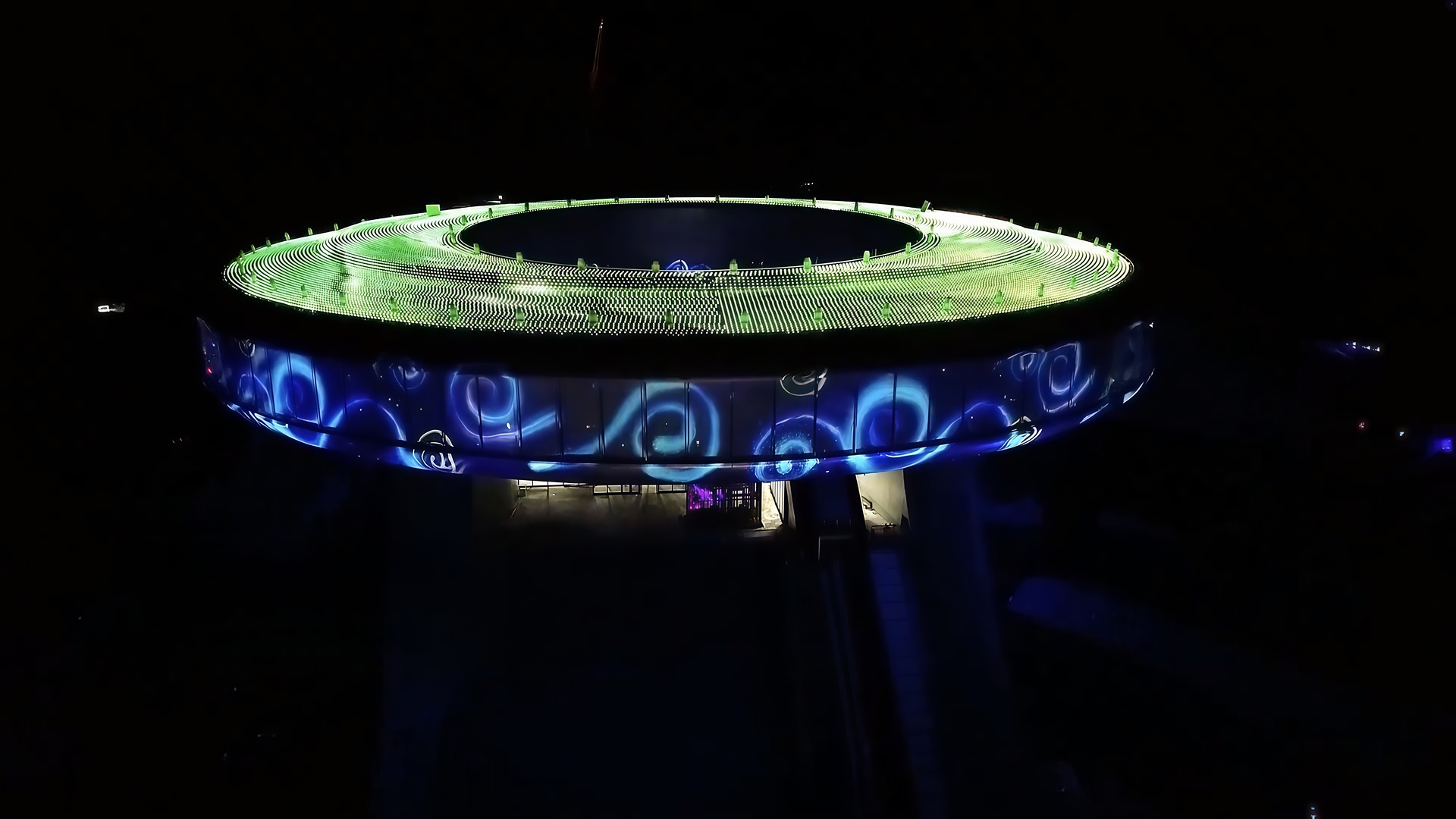

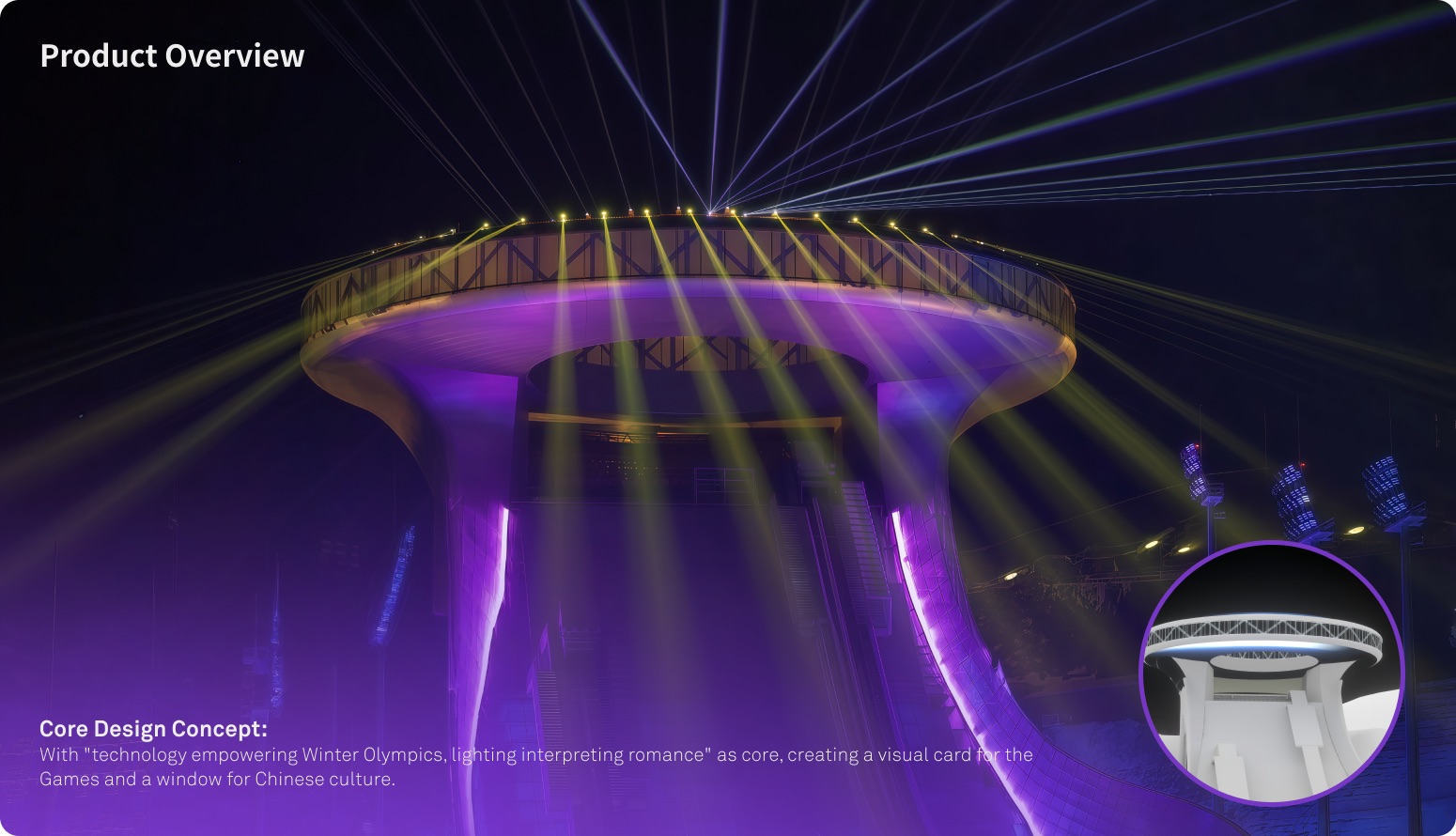
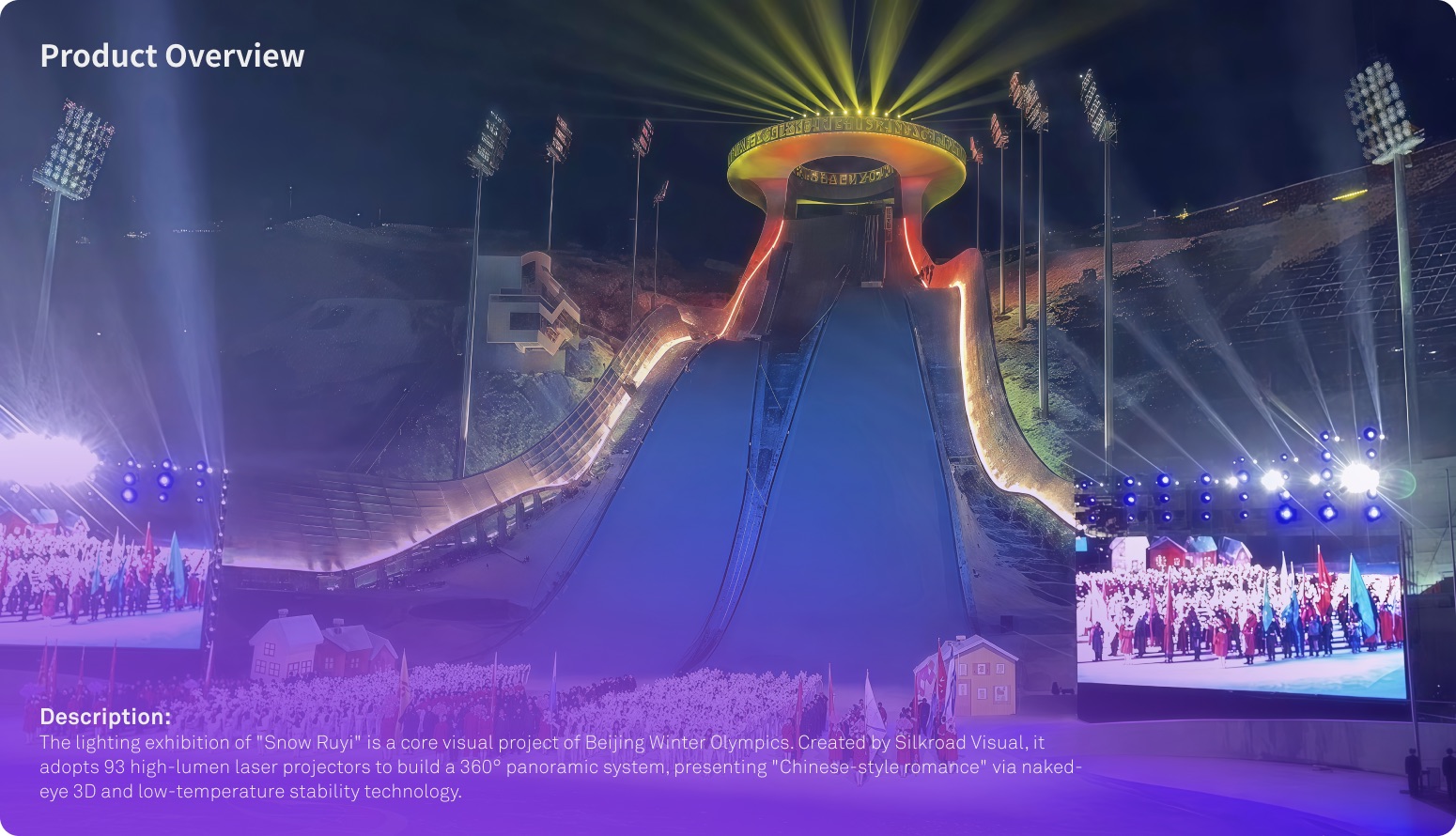
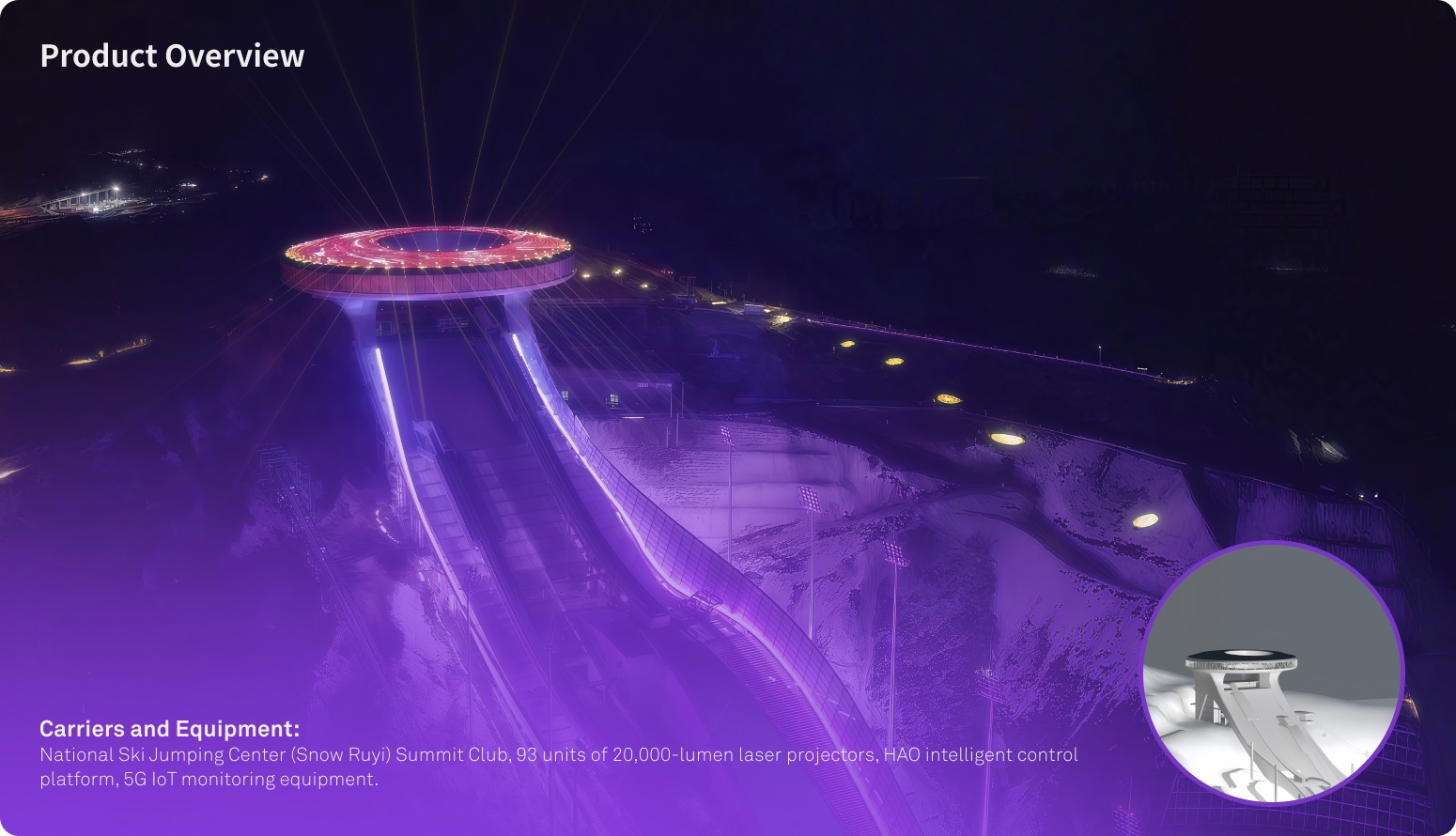
Panoramic Immersive Experience - 93 high-lumen laser projectors achieve 360° full-coverage projection, combined with 3D viewing angles such as bottom-up, top-down and bird's-eye view. The image is deeply integrated with the architectural outline and cantilever structure of "Snow Ruyi", providing a shocking immersive visual impact for both on-site audiences and remote broadcast viewers.
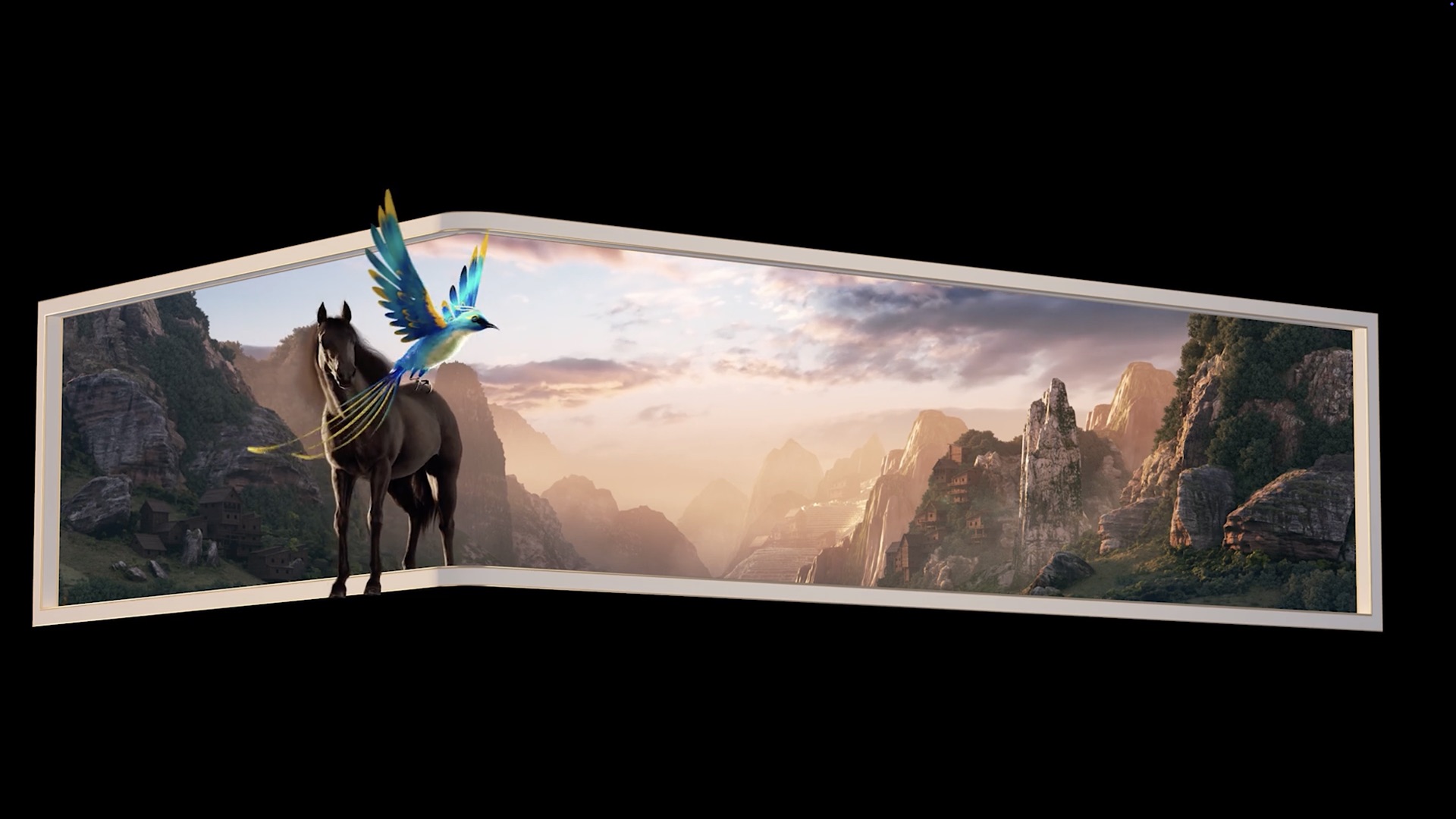
Technology-Culture Integration - Supported by naked-eye 3D vision technology, it accurately combines rotating dynamic images with physical lighting gradient effects, creatively presenting Winter Olympic sports imagery such as "soaring into the sky" and "plunging down". Integrating "Chinese-style romance" creative expression, it makes technological lighting a bridge to convey Olympic spirit and traditional Chinese cultural heritage.
Extreme Environment Adaptation - Customized and optimized for the -30~-40℃ frigid environment of the Beijing Winter Olympics, through the collaboration of HAO intelligent control platform and 5G IoT monitoring system, it realizes automatic lamp coding, precise brightness and color calibration, and real-time monitoring of equipment operation data, ensuring stable work in harsh weather conditions.
Broadcast Adaptation - Adopting non-stroboscopic and glare-free light source design and image calibration, it strictly meets the 8K ultra-high-definition event broadcast standards. It avoids light interference on athletes' competition status and allows global audiences to clearly feel the beauty of integration between lighting and architecture through broadcast images.
Industry Benchmark - Innovatively integrating multiple technologies such as high-lumen laser projection, naked-eye 3D and low-temperature adaptation into large-scale Winter Olympic venues, achieving precise integration of image and architecture through hundreds of digital fusion corrections, pioneering a new model for lighting display of sports event venues.
Q1:What is the core visual highlight?
Q2:How to adapt to the frigid Winter Olympics environment?
Q3:How is the visual rotation effect achieved?
Q4:Is it suitable for event broadcasting?
Q5:What is the cultural value for the Winter Olympics?
Q6:What are the technological innovations?